Why Web3 is the Future of Digital Innovation and How You Can Be Part of It

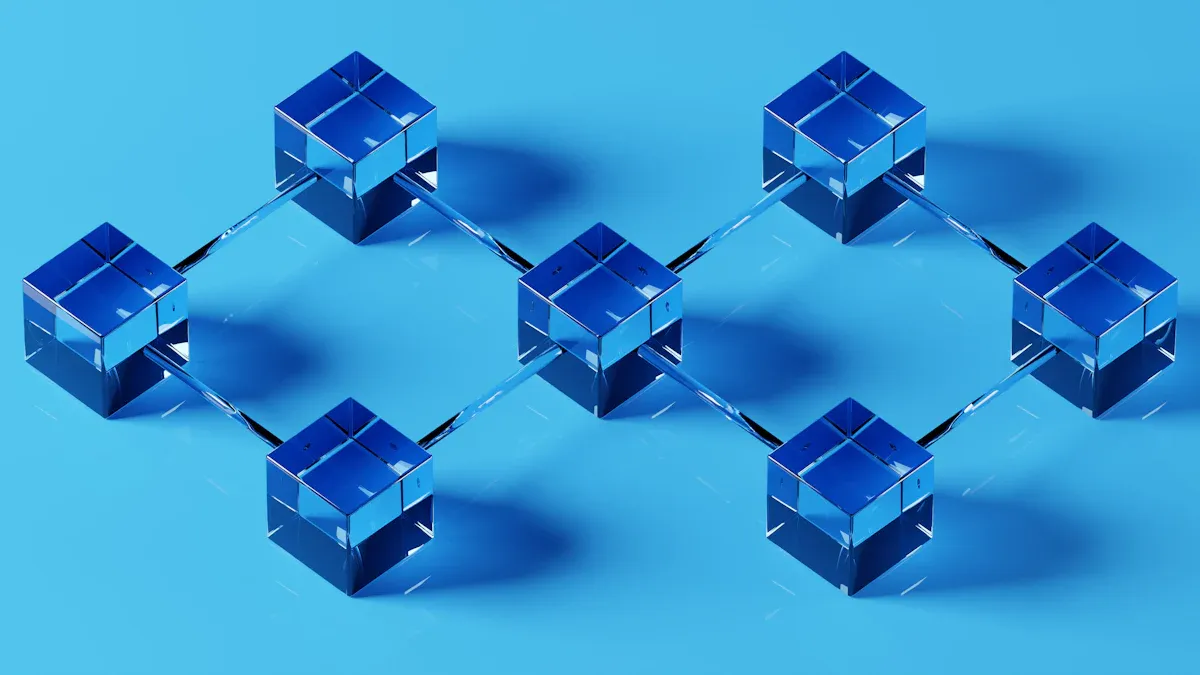
Web3 is changing how you experience the internet. You see new possibilities with blockchain and decentralization, giving you more control and ownership online. Web3 is the Future because you can join platforms managed by real users, not just big companies. Did you know the global Web3 market hit $2.18 billion in 2023 and could reach $65.78 billion by 2032? You help drive this growth as more people use web3 services for finance, healthcare, and digital assets.
Statistic Description | Value |
|---|---|
Global Web 3.0 market valuation in 2023 | USD 2.18 billion |
Expected market growth by 2032 | USD 65.78 billion |
Web 3.0 adoption increase over the next three years | 50% |
Web3 gives you the chance to shape the next-gen internet and digital innovation.
Key Takeaways
Web3 empowers you with control over your digital life. You own your data and assets, moving away from centralized platforms.
Decentralized finance (DeFi) allows you to make direct transactions without banks. This innovation opens new financial opportunities.
Joining web3 communities can enhance your learning. Engage with others on platforms like Twitter and Discord to share ideas and resources.
Web3 applications, like NFTs and decentralized apps, provide real ownership of digital assets. You can trade, sell, or hold your items securely.
Start your web3 journey by learning the basics of blockchain. Explore educational resources and take small steps to build your knowledge.
Web3 is the Future

Next-Gen Internet
You now stand at the edge of the third generation of the internet. Web3 is the future because it changes how you connect, share, and own things online. In the past, Web1 let you read information. Web2 allowed you to create and share content, but big companies controlled your data. Now, Web3 gives you the power to own your digital life.
Web3 is the next iteration of the internet. It uses blockchain technology to move away from central servers. Instead, your data spreads across many computers in a peer-to-peer network. This shift means you control your content and assets. You can use NFTs and cryptocurrencies to prove ownership and trade digital items. Blockchain makes sure your rights stay safe.
Web3 is like moving from a rented apartment, where the landlord calls the shots, to your own home, where you hold the keys. It’s about regaining control, redefining ownership, and reshaping the future of digital interaction.
Experts agree that web3 is the future. Here’s how they describe this new generation of the internet:
Source | Evidence |
|---|---|
World Economic Forum | Web3 is envisioned to be a 'decentralized web ecosystem,' in which users can retain ownership of their data. Its blockchain-based infrastructure would usher in the era of the 'token economy.' |
McKinsey | Web3 is a term used to describe the next iteration of the internet, one that is built on blockchain technology and is communally controlled by its users. |
Expert.ai | Web 3.0 is highly decentralized, driven by machine learning and artificial intelligence, and leverages blockchain technology. Users retain control over their data and content, and they can sell or trade their data without losing ownership. |
You can see that decentralization is at the heart of web3. You get to decide what happens to your data. You can join a web3 platform and help shape its rules. This new approach creates a more open and fair digital world.
Digital Innovation
Web3 is the future because it brings fresh innovation to your online experience. You can use web3 technologies to do things that were not possible before. For example, you can send money directly to someone else without a bank. You can buy digital art and prove you own it. You can join online groups that make decisions together.
Here are some of the most exciting digital innovations made possible by web3:
Mobile friendly web applications let you interact and communicate in a decentralized space.
Decentralized finance (DeFi) replaces banks with peer-to-peer transactions using cryptocurrencies.
Tokenization lets you pay for services and goods securely, building trust between you and others.
Web3 technologies use blockchain, smart contracts, and decentralized finance to create a safer and more user-controlled environment. You can interact with others directly, automate deals, and enjoy new financial services without middlemen.
Spatial computing helps you blend the digital and physical worlds.
Decentralized finance gives you secure, peer-to-peer transactions.
Tokenization improves security and trust with built-in payment solutions.
You now have a better value proposition and user experience. You can control your data, join decision-making, and help build a transparent digital world. Web3 is the future because it puts you in charge and opens doors to new ways of working, sharing, and creating online. With emerging web3 technologies, you help shape the next wave of digital innovation.
Web3 Basics
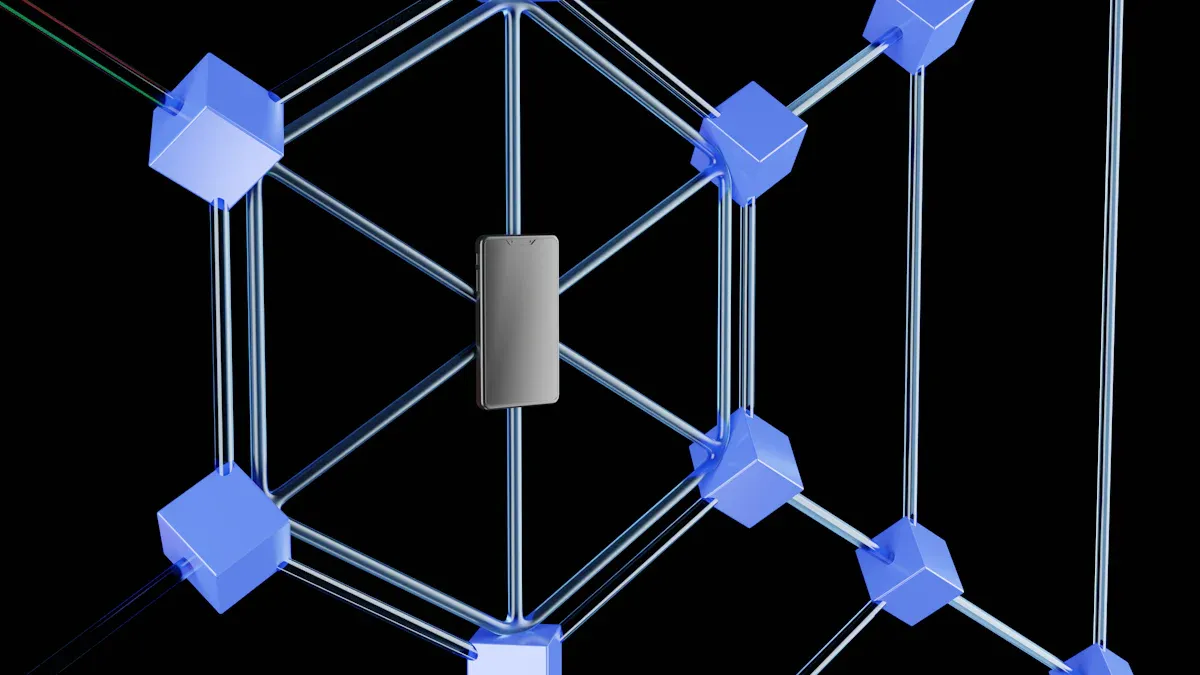
Blockchain Technology
You might wonder what makes web3 so different from the internet you use every day. Let’s break it down. Web1 was all about reading information. You could visit websites, but you couldn’t interact much. Web2 changed things. You started posting, sharing, and connecting with others. Social media and big platforms took control, and your data became their asset.
Now, web3 is here. It’s built on blockchain technology, which means you get a new kind of internet. Instead of one company owning everything, blockchain spreads control across many users. You can own your data, your digital art, and even your online identity.
Here’s a quick look at how web2 and web3 compare:
Feature | Web2 | Web3 |
|---|---|---|
Architecture | Centralized networks | Decentralized networks |
Data Ownership | Controlled by corporations | Users control their data |
Security | Vulnerable to breaches | Distributed security mechanisms |
Intermediaries | Reliance on intermediaries | Trustless interactions |
Monetization | Benefits platform owners | New economic models benefit users directly |
Blockchain makes web3 possible. It records transactions in a way that everyone can see, but no one can change. You get secure, transparent deals. Smart contracts let you automate actions, so you don’t need a middleman. Ethereum, Solana, and Cosmos are some of the most popular blockchains powering web3 apps.
Ethereum is the OG of smart contract platforms with the largest ecosystem in Web3. Solana is known for its high transaction speed, making it ideal for GameFi and high-volume applications. Cosmos allows developers to create customized blockchains, enhancing cross-chain capabilities.
Decentralized Web
Web3 is also called the decentralized internet. You get to control your data and assets. No single authority tells you what you can do. You decide how you interact, share, and manage your digital life.
In web3, you own your data and digital assets.
You can make direct transactions with others.
You help govern platforms through decentralized decision-making.
Aspect | Centralized Model | Decentralized Model |
|---|---|---|
Data Control | Users have limited control over their data | Users have full control over their data |
Authority | Central authorities govern data access | No central authority; users govern access |
Web3 gives you privacy, security, and freedom. You can join platforms where users make the rules. You can monetize your content and keep your identity safe. The decentralized internet is changing how you experience the web, putting you in charge.
Applications
Digital Economy
Web3 applications are changing the digital economy. You see new ways to use blockchain and cryptocurrency every day. Decentralized finance lets you move money without banks. You can use web3 applications to trade, invest, and save with cryptocurrency. Blockchain-based applications like StarkDeFi make decentralized finance easy for you. You can join synergy pools, farms, and staking programs. These web3 applications help you earn rewards and grow your assets.
Here’s a table showing a popular web3 application in the digital economy:
Application | Description |
|---|---|
StarkDeFi | A blockchain hub that aims to make decentralized finance more accessible and user-friendly. It offers various DeFi solutions including AMMs, synergy pools, farms, liquidity lockers, staking, minting, and launchpads. |
You also see web3 applications in art and gaming. NFTs let you own digital art and collectibles. Play-to-earn games use blockchain to reward you with cryptocurrency. Web3 applications combine NFTs, decentralized finance, and gaming to create new experiences.
Startups use web3 applications to build new business models. You see startups using blockchain to create trustless systems. Startups use token sales to raise money from global investors. Startups can open digital storefronts in the metaverse. Startups use blockchain-based applications to offer new services. Startups use decentralized applications to reach more users. Startups use web3 applications to lower costs and grow fast. Startups use cryptocurrency to pay and get paid. Startups use decentralized finance to manage money. Startups use NFTs to create new products. Startups use blockchain to keep data safe. Startups use web3 applications to connect with communities. Startups use blockchain to build transparent systems. Startups use web3 applications to share profits with users. Startups use blockchain to create new revenue streams. Startups use web3 applications to attract investors. Startups use blockchain to manage assets. Startups use web3 applications to launch new ideas. Startups use blockchain to automate deals. Startups use web3 applications to offer secure payments. Startups use blockchain to protect user data. Startups use web3 applications to create digital identities. Startups use blockchain to support collaboration. Startups use web3 applications to build global networks. Startups use blockchain to enable fractional ownership. Startups use web3 applications to improve liquidity. Startups use blockchain to help communities own assets. Startups use web3 applications to give users control. Startups use blockchain to reduce barriers. Startups use web3 applications to empower users. Startups use blockchain to support innovation. Startups use web3 applications to change the future of startups. Startups use blockchain to create new opportunities. Startups use web3 applications to shape the digital economy. Startups use blockchain to drive growth. Startups use web3 applications to transform industries. Startups use blockchain to build the future of startups. Startups use web3 applications to redefine business.
Tip: Web3 applications let you join the digital economy, earn rewards, and own your assets.
User Ownership
Web3 applications give you real ownership of your digital assets. You use non-custodial wallets to control your cryptocurrency and NFTs. You decide what to do with your assets. You can sell, trade, or hold them. Blockchain-based applications make ownership easy and secure.
NFTs prove you own digital art, music, or game items. You can trade NFTs on decentralized marketplaces. You benefit when the value of your NFTs goes up. You may get special rights with your NFTs, like access to events or content.
Fractional ownership lets you invest in high-value assets with less money. You join communities to own and manage assets together. You enjoy better liquidity and more ways to buy and sell.
Web3 applications also help you manage your online identity. You control your data and decide what to share. Blockchain keeps your information safe. You avoid data breaches and keep your privacy.
Here’s what you can do with web3 applications:
Trade in-game items as NFTs.
Create new revenue streams with tokenized products.
Web3 applications put you in charge. You own your assets, control your data, and join global communities. You help shape the future of startups and the digital economy.
Getting Involved
Web3 Education
You want to join the web3 movement, but you may wonder where to start. The journey begins with learning. Many people find web3 exciting because it opens new doors in technology, finance, and creativity. You can explore web3 by connecting with others, studying blockchain basics, and trying out educational games.
Here are some practical steps you can take to begin your web3 journey:
Join web3 communities on platforms like Twitter and Discord. You meet people who share ideas and answer questions.
Learn the basics of blockchain technology. This helps you understand how web3 works.
Engage with educational games that teach web3 concepts, such as smart contracts.
Study smart contracts and their programming languages, like Solidity and Rust.
Familiarize yourself with libraries such as Web3.js and Ethers.js. These tools help you build web3 applications.
Tip: You don’t need to be a developer to get started. Many resources are designed for beginners.
You find many educational platforms that make learning web3 easy and fun. Some offer free courses, while others provide boot camps and project-based lessons. You can choose what fits your style and schedule.
Here’s a list of popular web3 learning resources:
Web3 University: Offers a wide range of web3 courses.
ChainShot by Alchemy: A 10-week boot camp for web3 development.
Udemy: Features blockchain courses, including Ethereum and smart contracts.
Zero to Mastery: Provides a web3 masterclass and Solidity course.
LearnWeb3: Free courses with community support and real-world projects.
Metaschool: Focuses on project-based learning in web3.
ConsenSys Academy: Beginner to advanced courses on Ethereum development.
FreeCodeCamp: Free tutorials on blockchain and smart contracts.
CryptoZombies: Game-based learning for blockchain concepts.
Podcasts and newsletters: a16z’s crypto and Bankless share industry insights.
You can also join online communities to learn and collaborate. Reddit, Discord, and Telegram are vibrant hubs for web3 education. These platforms host discussions about blockchain development, DeFi strategies, and NFT marketplaces. You can ask questions, share your progress, and connect with others who want to learn.
Meeds DAO and other community-driven platforms promote collaborative learning. You can join groups, work on projects, and share insights. This open approach helps you grow your knowledge and build new skills.
Web3 Adoption
You see web3 adoption growing every day. More brands and individuals are launching web3 projects. In 2022 and early 2023, 315 brands launched 526 web3 projects. About 40% of these projects lasted more than a year. Over 50 million users worldwide now use web3 applications. Social apps show 8.9% adoption, while games reach 5.7%. By 2025, nearly half of finance apps will use web3 technology.
DeFi stands out as the most dominant sector, with 32% of daily decentralized application users engaged in it. You notice that web3 is changing how people interact, manage assets, and make decisions.
You may face some challenges when you start using web3. Many newcomers struggle with linking a digital wallet and using cryptocurrencies. The onboarding process can feel intimidating. You need to install a wallet extension, create a wallet, and manage seed phrases. Understanding blockchain concepts like gas fees and smart contracts can be tough. Managing private keys and the risk of asset loss adds pressure.
Here are some common barriers:
The onboarding process can seem complex.
Blockchain concepts may feel confusing.
Managing private keys can cause anxiety.
The learning curve is steep for those without a technical background.
Error correction is difficult because web3 is immutable.
Decentralized applications require knowledge of technical terms and processes.
You can overcome these challenges by taking small steps and using trusted resources. Many platforms offer guides and tutorials for beginners. Community support helps you solve problems and learn faster.
Security is important in web3. You need to protect your assets and personal information. Smart contracts can have bugs, and phishing attacks target users. DeFi protocols attract hackers. You can stay safe by following best practices.
Risk Type | Description |
|---|---|
Smart Contract Vulnerabilities | Flaws in smart contracts can lead to unauthorized access and financial losses. Regular audits help prevent these issues. |
Phishing Attacks | Fake communications can trick users into revealing sensitive information. Education and two-factor authentication are essential for protection. |
Front-running | This practice undermines fairness in decentralized applications. Strong identity management solutions help address this risk. |
Absence of Central Authority | Once a smart contract is compromised, reversing its effects is often impossible. Users must stay vigilant and informed. |
Security Risks from DeFi Protocols | Hackers exploit vulnerabilities to drain funds and manipulate asset prices. Staying updated and using secure platforms reduces risk. |
Phishing and Social Engineering | Users can be tricked into revealing sensitive information. Awareness and education are crucial for safety. |
You can improve your security by:
Conducting regular security audits.
Using two-factor authentication.
Learning about phishing and social engineering.
Regulations also affect web3 adoption. Different countries have unique rules. Europe’s MiCA provides clarity and attracts businesses, but may challenge smaller startups. The US has a fragmented landscape, creating uncertainty. Asian countries balance innovation with risk management. The lack of uniform regulations can make participation tricky. International cooperation may help create a stable and innovative environment.
Note: You can join web3 at your own pace. Many people start with small steps and grow their skills over time.
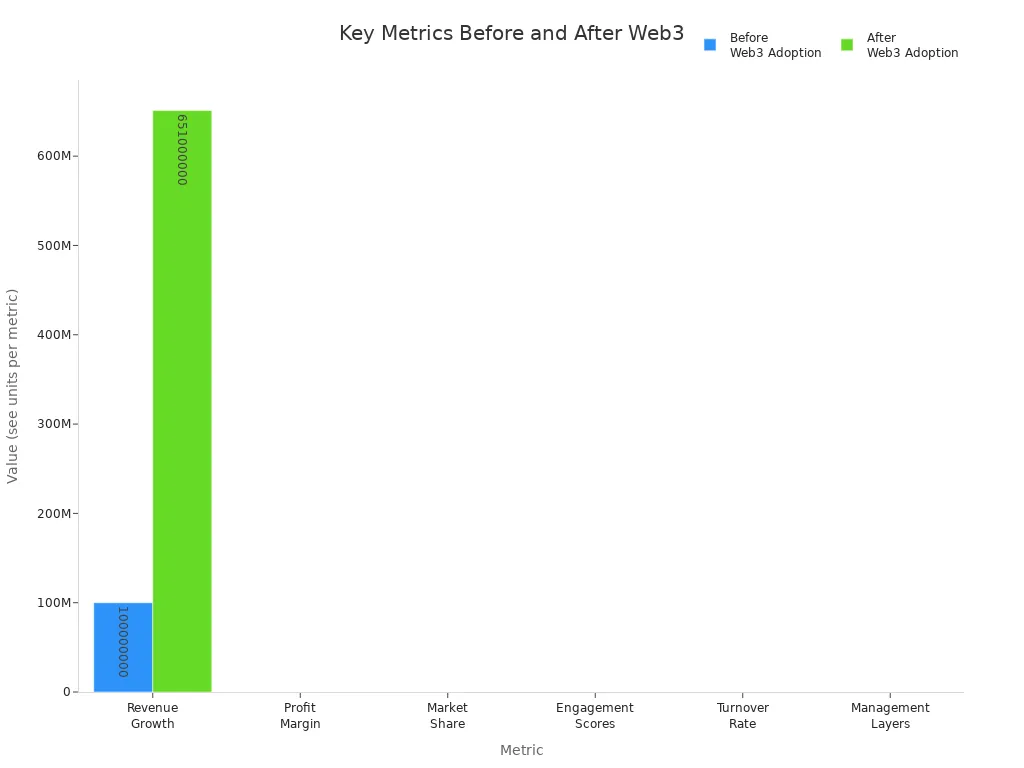
You see many success stories in web3. Organizations report higher ROI, faster decision-making, and better resource use after adopting web3. Employee productivity and engagement scores rise. Market share and patent filings increase. Turnover rates drop, and management layers shrink. Over 100 DAOs have been created, showing the power of web3 collaboration.
You can be part of this change. Web3 offers new opportunities for learning, earning, and connecting. You shape the future by joining communities, exploring resources, and staying curious.
Web3 is changing what you can do online. You see decentralized apps and digital assets giving you more control and ownership. People from every background join web3, even if they don’t know much about technology. You find new opportunities in healthcare, retail, and science. Experts say web3 will blend AI, AR/VR, and blockchain, creating a universal digital space. If you want liberation, innovation, and a future beyond old systems, web3 is where you start exploring.
FAQ
What is Web3?
Web3 is the next version of the internet. You use blockchain to control your data and digital assets. You join platforms where users make decisions, not big companies.
What can you do with Web3?
You can own digital art, trade cryptocurrency, play games, and join online communities. You make direct transactions and help shape new digital experiences.
What makes Web3 different from Web2?
Web3 gives you control. You own your data and assets. You use decentralized apps, not just social media or big platforms. You decide how you interact online.
What do you need to start using Web3?
You need a digital wallet. You pick a blockchain platform, like Ethereum or Solana. You join communities, learn the basics, and try out apps that use blockchain.
What are NFTs in Web3?
NFTs are digital items you own. You buy, sell, or trade them on special marketplaces. NFTs can be art, music, or game items. You prove ownership with blockchain.
See Also
The Influence of AI Mergers on Web3 and Technology by 2025
August 2025: A Pivotal Time for Web3 and AI Regulation
The Major Tech Crisis: AI Rules, Quantum Power, and Trust Erosion
FinTech Challenges: AI Legal Issues, Quantum Threats, and CBDC Changes
July 2025: A Critical Shift in AI, Quantum Tech, and Global Politics